
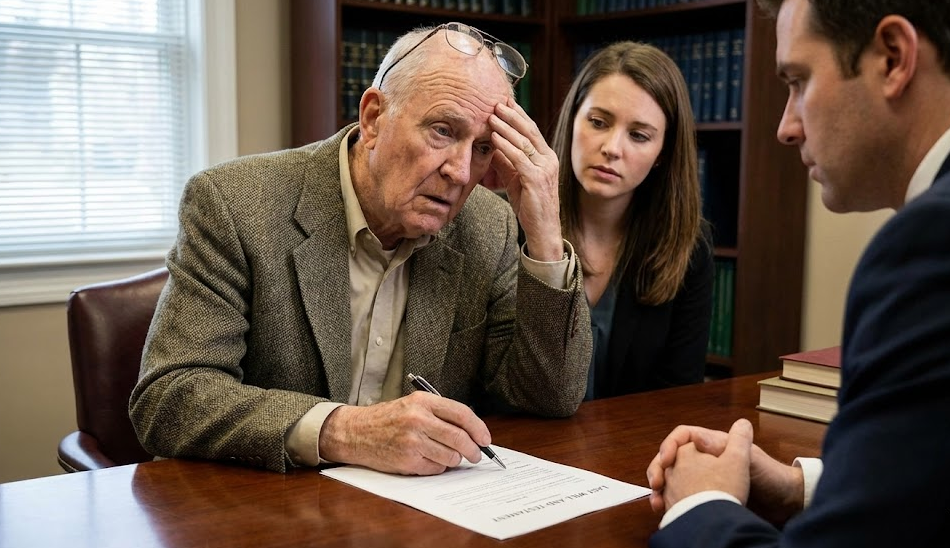
Disagreements over capacity usually come up when a parent or relative starts showing signs of memory trouble. Georgia law doesn’t require someone to be in perfect health to sign a will. Instead, the question is simple: On the day they signed, did they understand the basics, like what they owned, who their family was, and what the will actually did with their property?
When Memory Problems Come and Go
Anyone who has been around a loved one with Alzheimer’s or another form of cognitive decline knows that their clarity can fluctuate. Some days, they follow conversations easily, while on others, they seem distant or confused. Courts know this, too.
Because of that, they look closely at what happened during the signing itself. The attorney’s notes, how the testator behaved in the meeting, and even small details, like whether they asked thoughtful questions, can matter. The person challenging the will has to show the signer didn’t understand the plan at that moment.
Pressure and Influence: A Different Kind of Problem
In many cases, the real question isn’t capacity but influence. A person can know what a will does and still be guided, subtly or directly, by someone who benefits from the change.
Undue influence often shows up quietly: a beneficiary who suddenly takes over communication, a shift in family dynamics, or a will revision that no one saw coming. A testator with intermittent clarity may be capable on paper yet still vulnerable to persuasion, especially during periods when their thinking wasn’t steady.
Best Practices and Prevention
Planning early reduces headaches later. Meeting with an attorney before memory issues progress is one of the easiest ways to avoid confusion.
When capacity is already uncertain, a doctor’s evaluation or a simple written observation can help create a clear record. Some families even record the signing or bring in extra witnesses so there’s no question about what happened. Once capacity drops too far, it’s usually safer to shift to guardianships or other protective arrangements rather than updating documents.
Seek Experienced Counsel
If you’re dealing with a will challenge or have concerns about a loved one’s capacity, the Williams Litigation Group can help you sort through the facts. Call 866-214-7036 or reach us through our online contact form to talk with our team.