
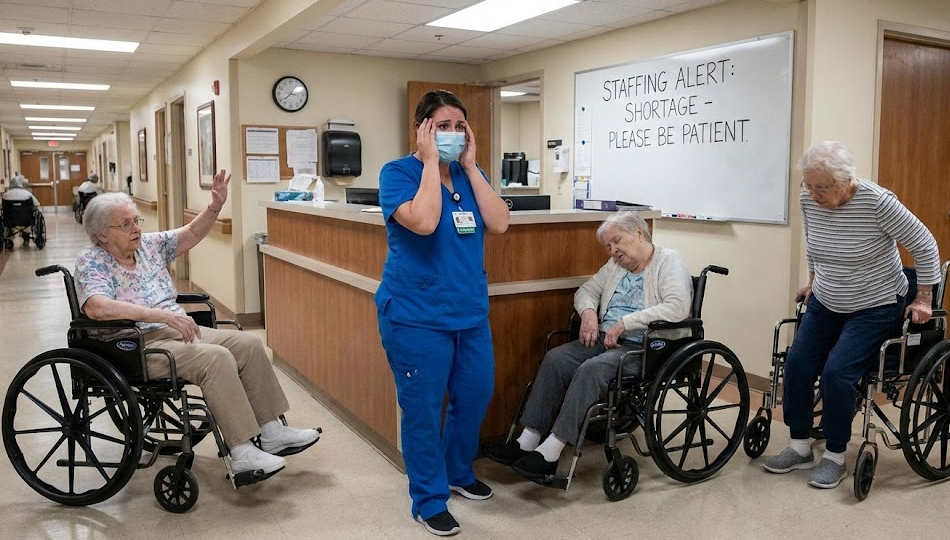
When families start noticing signs of neglect in a nursing home, staffing levels often tell the real story. Federal rules require facilities to maintain “sufficient” nursing staff for resident needs.
Still, there are also concrete minimums, like having a registered nurse on duty for at least eight consecutive hours every day and employing a full-time director of nursing when the facility has more than 60 residents. When a home operates with fewer qualified staff than required, residents feel the impact, including missed medications, untreated bedsores, longer wait times for help, or sudden changes in behavior.
How Staffing Records Reveal Problems
When a nursing home case moves into the legal stage, staffing paperwork often becomes one of the clearest indicators of what was happening day to day. Lawyers look at schedules, payroll data, and even budget notes to see whether the facility staffed the floor the way it claimed.
These records usually show patterns you wouldn’t notice from the outside, like weekend shifts with barely enough aides, nights where only one nurse covered an entire wing, or staff levels that didn’t match residents’ medical needs. Once those issues show up on paper, attorneys compare them with incident reports and medical charts.
That pairing helps show whether missed care, injuries, or sudden health declines line up with times the home ran thin. Experienced nursing administrators can then explain why those staffing choices fell short of accepted care practices.
Why Ratios Matter in Negligence Cases
Nursing homes may not follow a single federal staffing ratio, but most are still bound by state rules or by their own written standards. When a home repeatedly drops below those levels, especially during busy hours, it raises questions about whether residents were left without the care they needed. Families often notice the warning signs first.
Missed call lights, unusual bruising, or a sudden shift in a resident’s mood can help show that low staffing wasn’t a one-time issue but something that happened often enough to cause harm.
What Families Can Do Right Away
You don’t need legal training to spot red flags. Request copies of care plans and daily notes. Take photos of injuries. Keep a simple log of concerning events, including dates and who was on duty. If something feels wrong, raise the issue promptly with administrators or a state ombudsman.
If you believe understaffing contributed to a loved one’s injuries, call 866-214-7036 or contact The Williams Litigation Group online.