
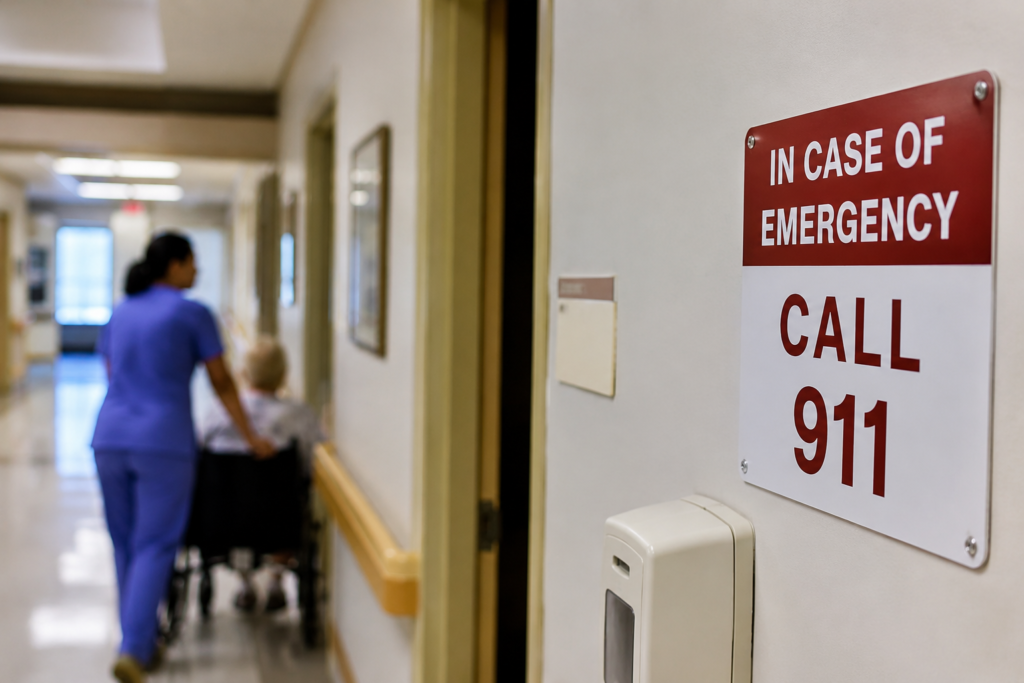
A delayed 911 call can leave a family with painful questions. Why did staff wait? Who noticed the first symptom? Did anyone understand how serious it was?
In a Georgia nursing home, residents often rely on staff to react when something changes. A fall, chest pain, trouble breathing, sudden confusion, or signs of infection may call for quick medical attention. When help comes late, the timeline is crucial.
Nursing Home Neglect in Georgia
Neglect is not always obvious at first. Sometimes, it looks like a nurse keeping an eye on things while a resident gets worse. Other times, it shows up in missed checks, vague chart notes, or a staff member brushing off a family’s concern.
Federal nursing home rules describe neglect as a failure to provide care or services needed to prevent harm, pain, mental anguish, or emotional distress. Georgia also gives long-term care residents legal rights, including protection from neglect.
So, when staff delay calling 911, the issue is not only the delay itself. The bigger question is whether the facility responded reasonably once warning signs appeared.
Missed Warning Signs
Families should start with the timeline. When did something first seem wrong? Maybe the resident fell, became hard to wake, struggled to breathe, ran a fever, or complained of pain. Those early details are crucial.
Helpful records can include nursing notes, incident reports, medication logs, ambulance records, hospital intake paperwork, and family texts, photos, or call logs.
A late 911 call does not prove neglect by itself. Still, if staff saw serious symptoms and waited anyway, that delay may raise real legal questions.
Evidence That Helps a Case
Good evidence often comes from small details. It can be a timestamped photo, a voicemail, a family member’s note about what an aide said, or a hospital record showing the resident arrived in worse condition than the facility reported.
Georgia nursing homes must keep clinical records and follow care-related policies. Those documents can help show whether staff followed the facility’s own rules or ignored clear risks.
Call The Williams Litigation Group
If your loved one suffered harm after a nursing home delayed emergency care, we can help review what happened and identify records that may matter. Contact The Williams Litigation Group at 1-866-214-7036 or reach us through our contact form.